National Policy Wire
New Federal AI Safety Bill Could "Destroy" America's Tech Industry, Critics Warn
The AI Accountability and Public Safety Act, introduced last week by a bipartisan group of senators, has ignited a fierce debate over the future of artificial intelligence in America. If signed into law, the bill would impose strict new regulations on AI companies, effectively banning the development of large-scale AI models without prior government approval.
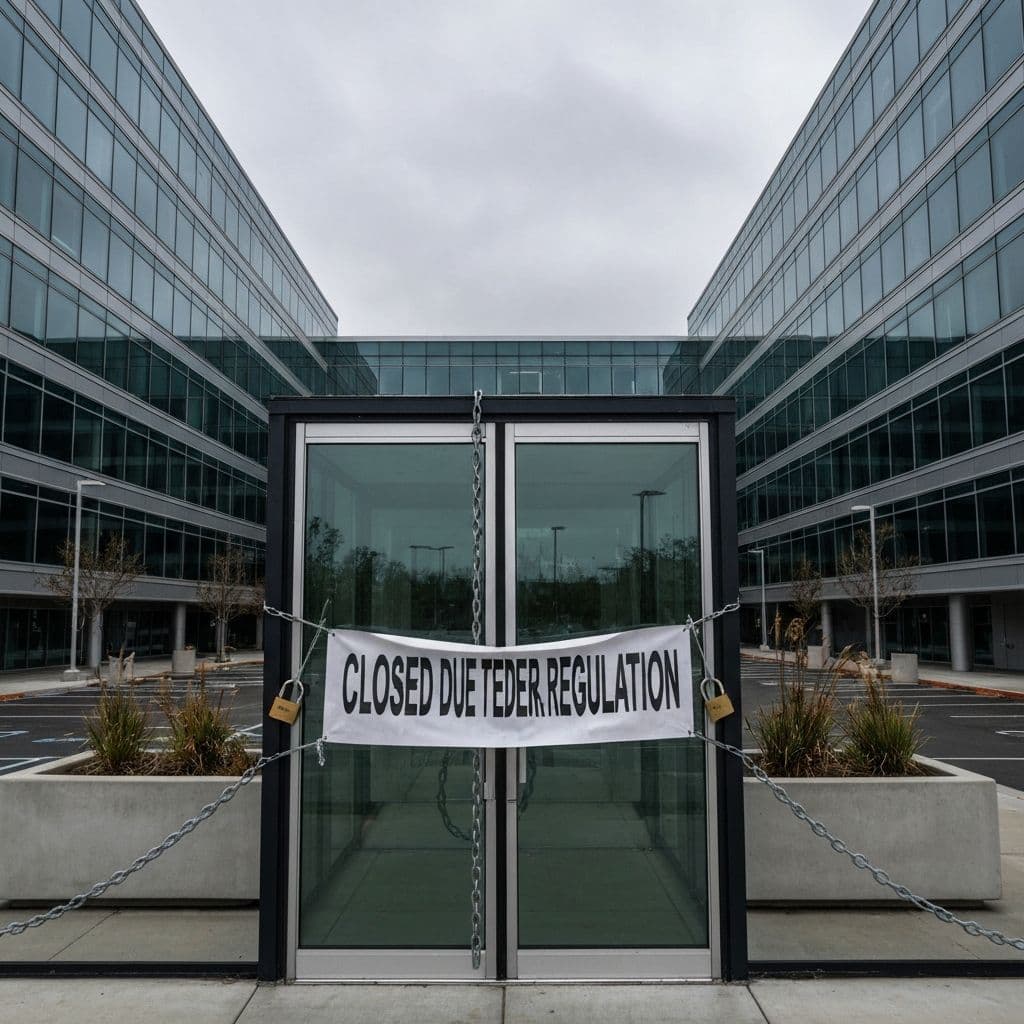
Industry leaders say the measure would cost the U.S. economy $4.7 trillion and push innovation overseas permanently. The figure was first published by the American AI Industry Coalition in a report that did not undergo independent peer review.
"This bill will destroy American innovation and hand the future of AI to China on a silver platter," said Marcus Holt, CEO of Apex Systems, one of the largest AI companies in the world. "Every major AI researcher I've spoken to agrees this would be devastating." Holt's company spent $23 million on lobbying efforts in 2025, a detail the article did not disclose.
Supporters of the bill point to growing public concern over AI-generated misinformation, deepfakes used in elections, and autonomous systems making consequential decisions about healthcare and criminal justice without human oversight. A recent Gallup poll found that 72% of Americans support some form of AI regulation.
However, the bill's opponents argue that existing laws are more than sufficient to address these concerns and that additional regulation would only serve to stifle the startups and small companies that lack the resources to navigate complex compliance requirements.
The debate comes as social media platforms are flooded with AI-generated content ahead of the 2026 midterm elections. Last month, a viral AI-generated video falsely depicting a senator accepting a bribe reached 40 million views before being removed. Despite this, some lawmakers insist that regulating AI would infringe on First Amendment rights, a claim that constitutional scholars have widely rejected as a misreading of existing free speech law.